Home / Our Work / Limu Studies
Where it all began

Limu Studies

Native seaweed is food, medicine and the foundation of a healthy reef.

Our first project

Why limu matters

The kānāwai for limu asks us to see value in all, cultivating biodiversity and staying attentive to every part of the system.

Two survey sites

Hāniʻo Makaiwa

Hāniʻo Coastline North of Harbor

Hāniʻo Malakole

Hāniʻo Coastline South of Harbor

Process

How we monitor limu

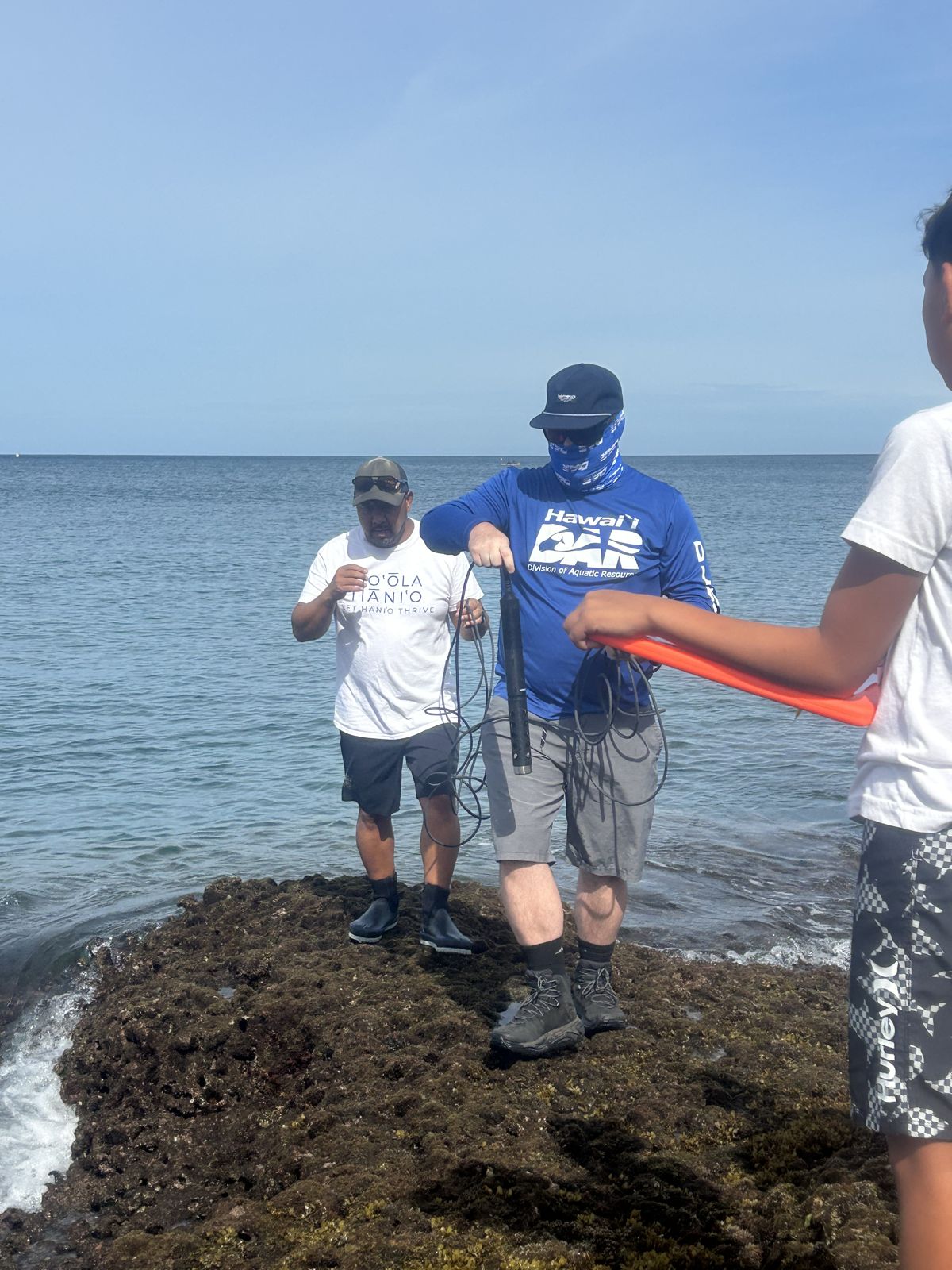
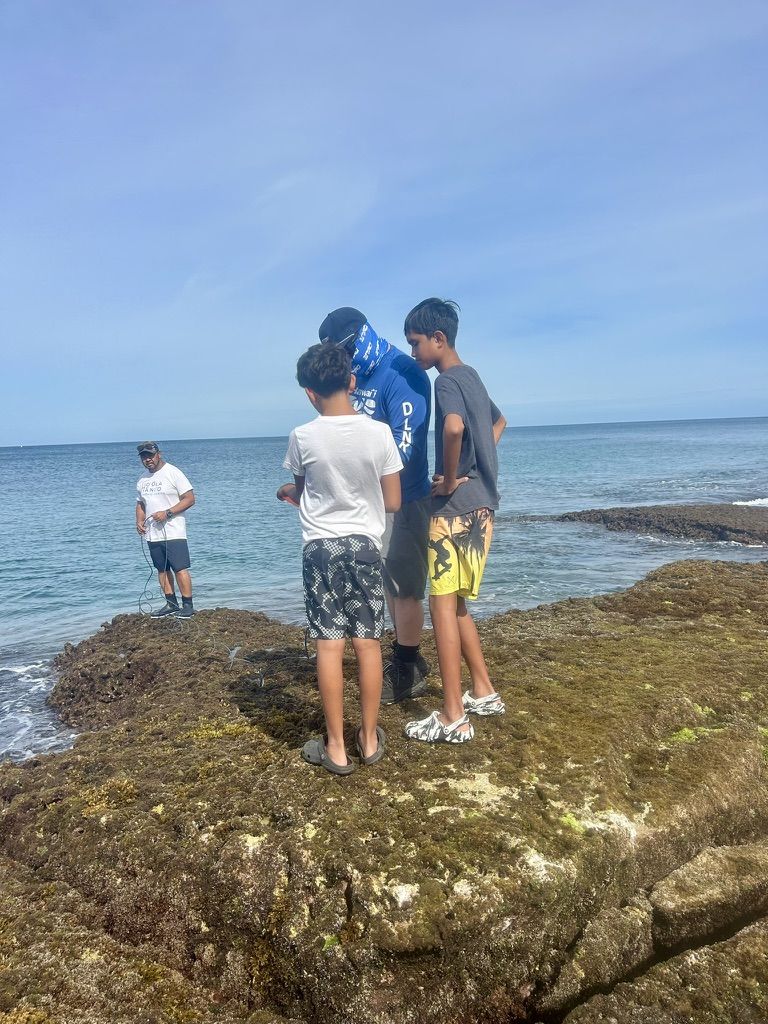
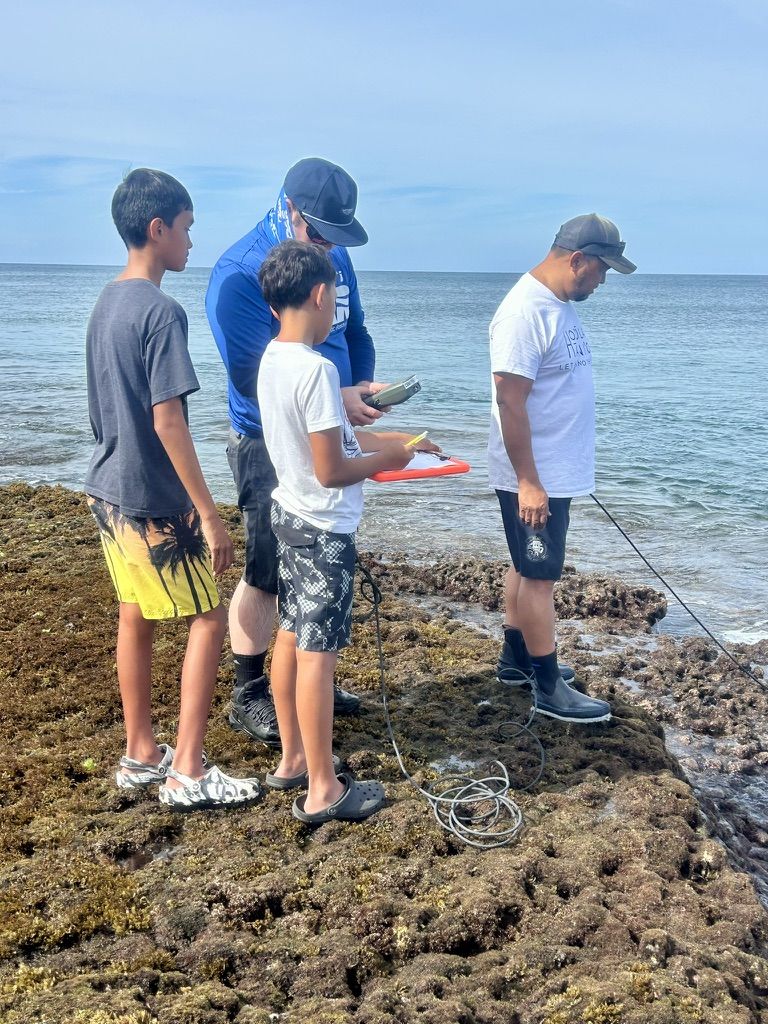
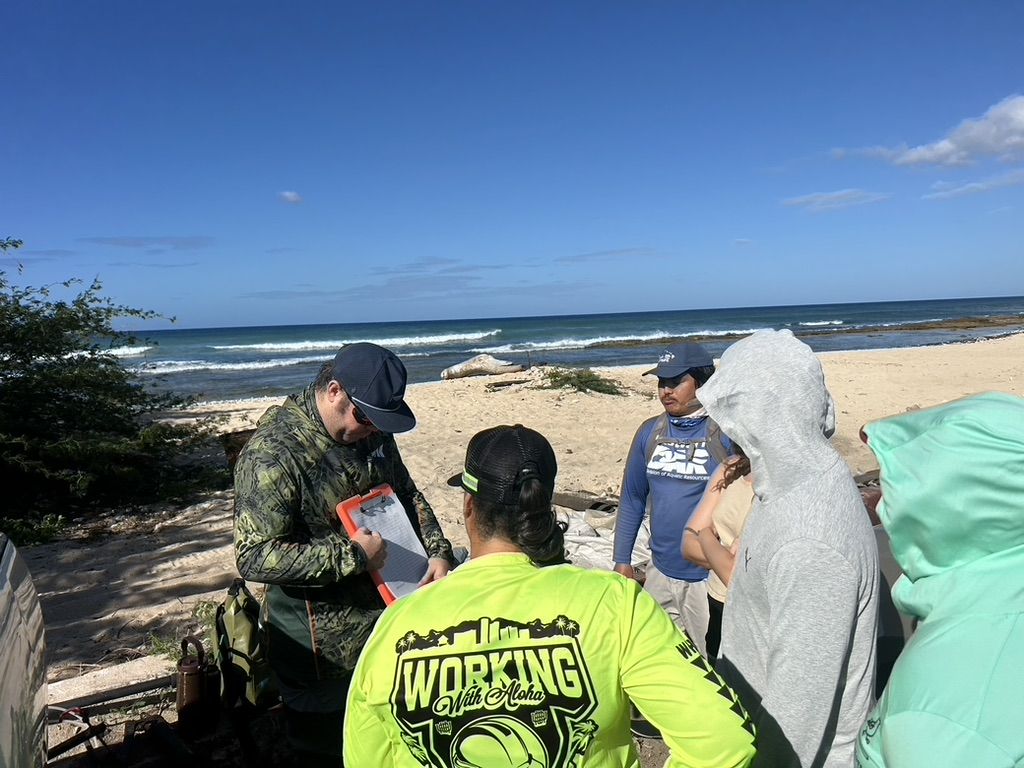
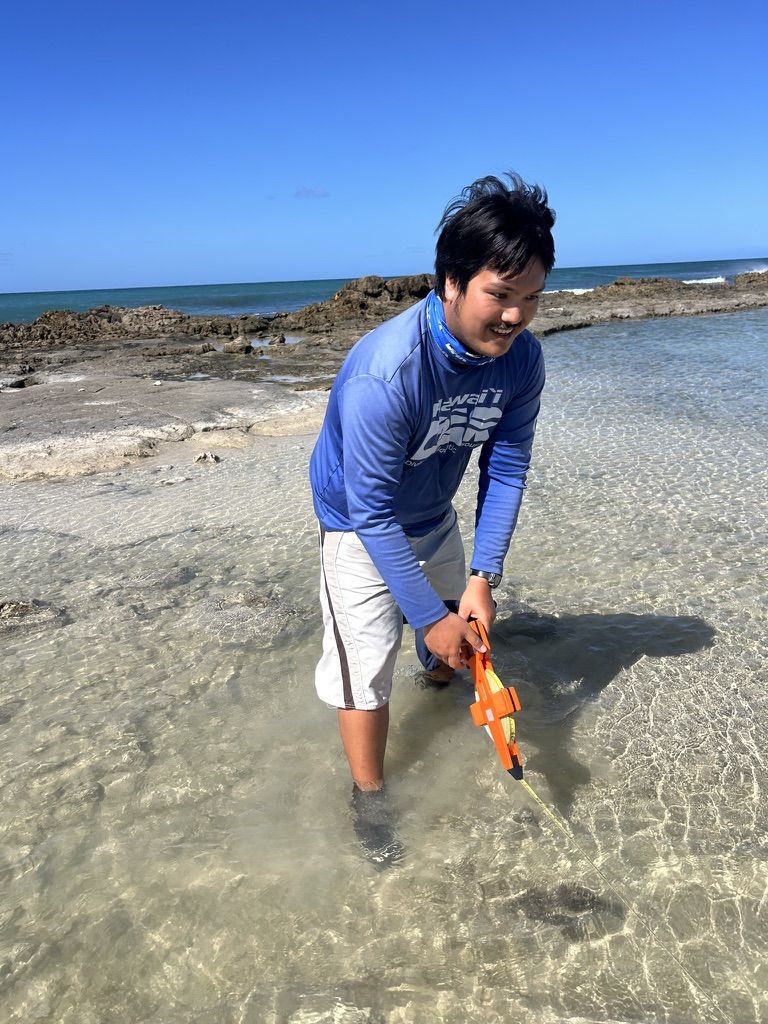
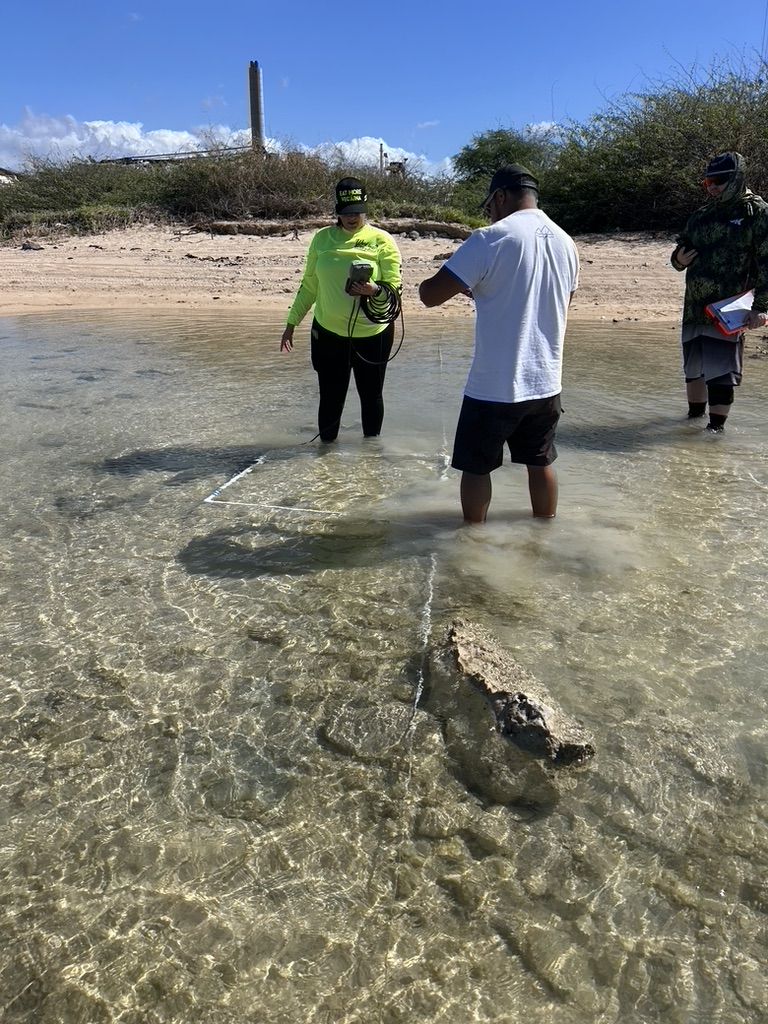
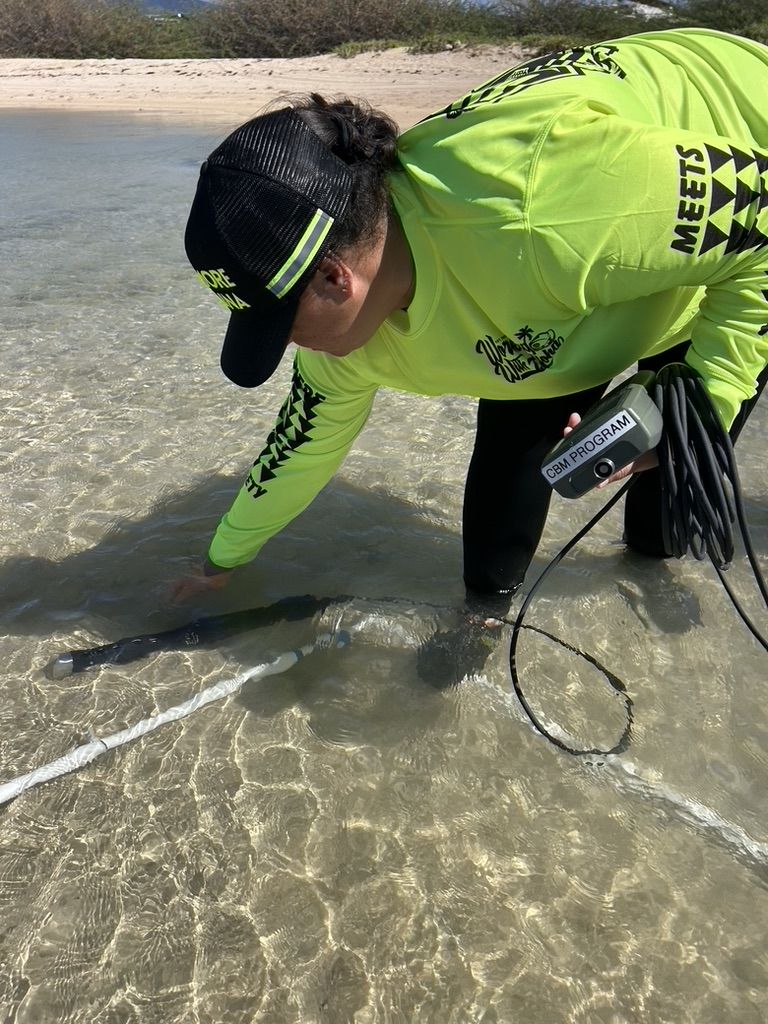
Limu monitoring methods at the Hāniʻo coastline, developed with the Honokaihale ʻOhana Council and the Division of Aquatic Resources.

Limu monitoring methods at the Hāniʻo coastline: develop the monitoring question and methods training, review methods and map survey sites, survey limu, measure water quality, teach the next generation
  1. 01

    Plan

    Develop Process & Train

  2. 02

    Map

    Review Methodology & Map Surveyed Areas

  3. 03

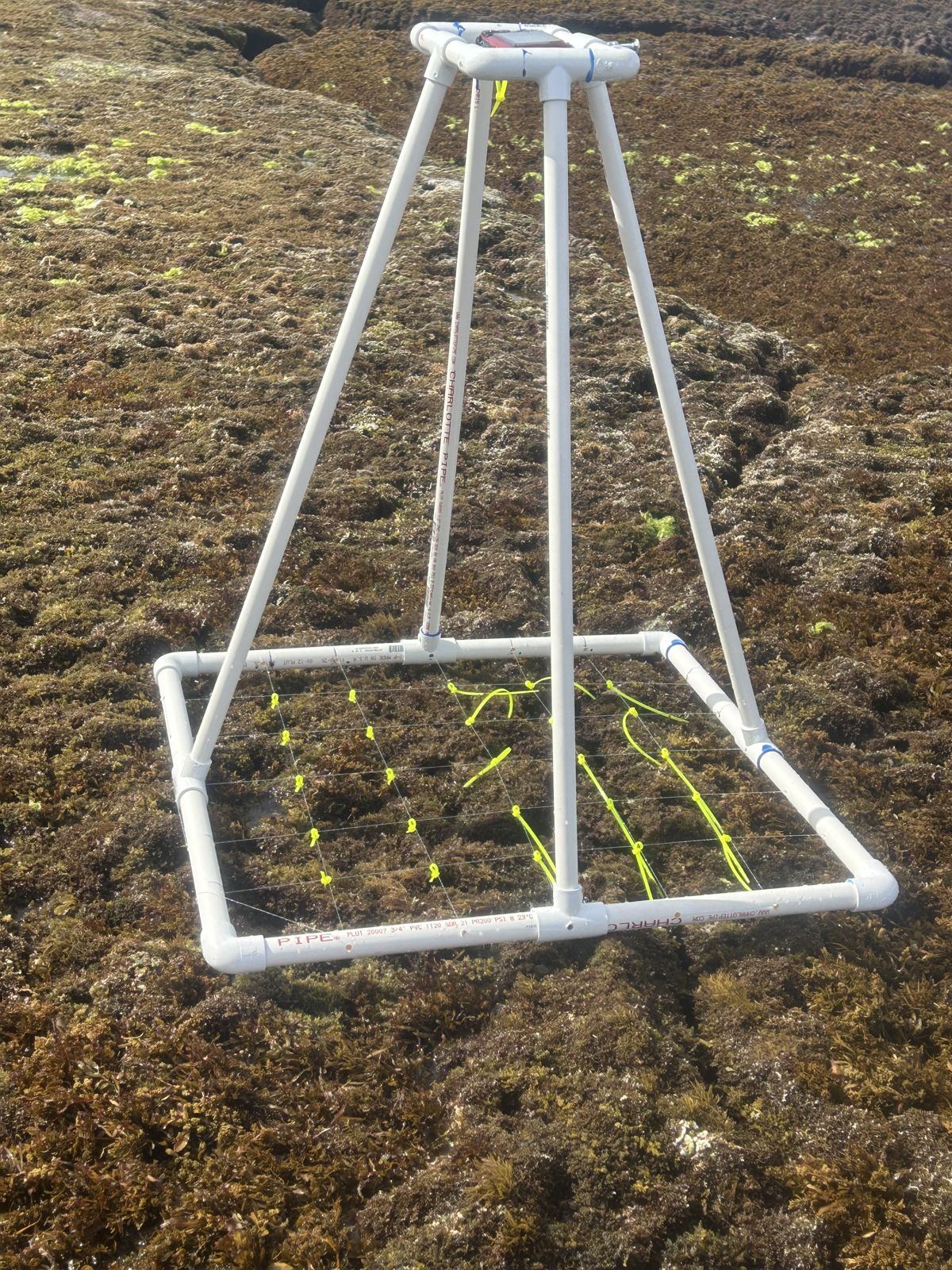
    Survey

    Identify Limu

  4. 04

    Measure

    Test Water Quality Alongside Identified Limu

  5. 05

    Teach

    Share Knowledge With Next Generation

Progress

What the surveys are showing

In August 2024, a long-term limu (seaweed) monitoring project was launched to study the abundance and diversity of limu along two algal benches. Over two years, the team from Hoʻōla Hāniʻo in collaboration with the State’s Division of Aquatic Resources (DAR) conducted surveys on seven different days and recorded an impressive 5,905 limu observations. They identified 19 types of limu, including brown, red, and green algae, with brown algae, especially Sargassum (Limu Kala), making up about 70% of the total observations. Red algae, notably Pterocladiella capillacea (Limu Loloa), have shown a positive trend, increasing in number over time. The project also expanded to a new location, Hāniʻo Mālākole, to further explore the diversity and water quality of subsistence species. These ongoing efforts highlight the importance of regular monitoring and illustrate significant shifts in the limu community that could affect local ecosystems.
Pie chart
Brown algae 69.7%Red algae 27.5%Green algae 2.8%5,905limu observations

Brown algae

69.7%
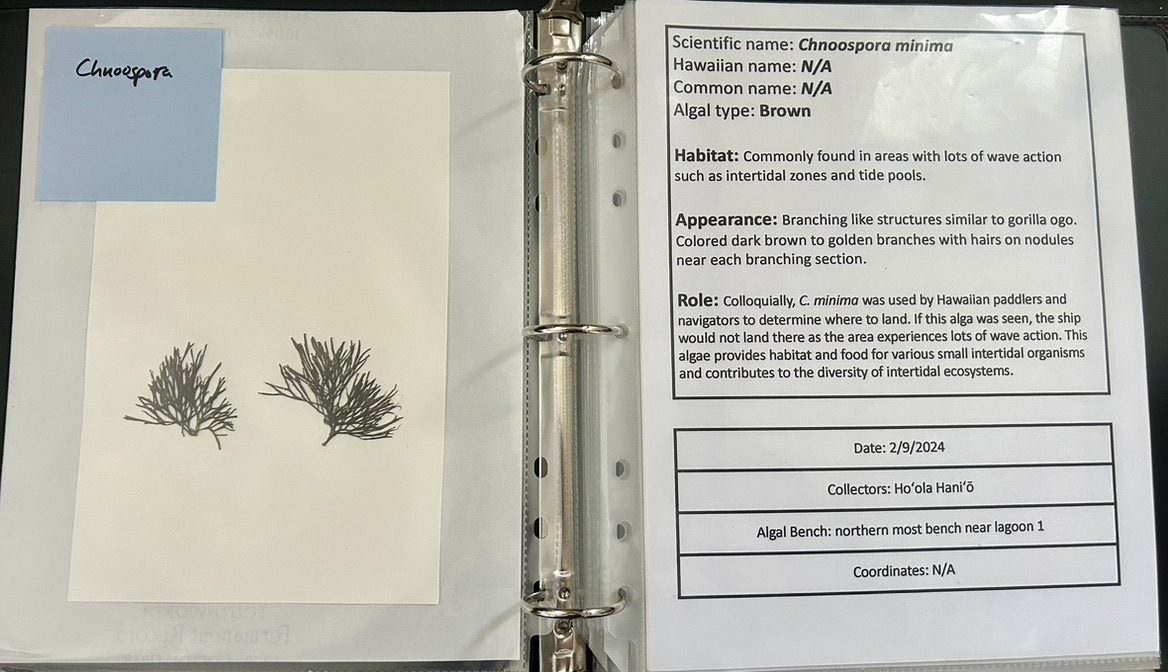
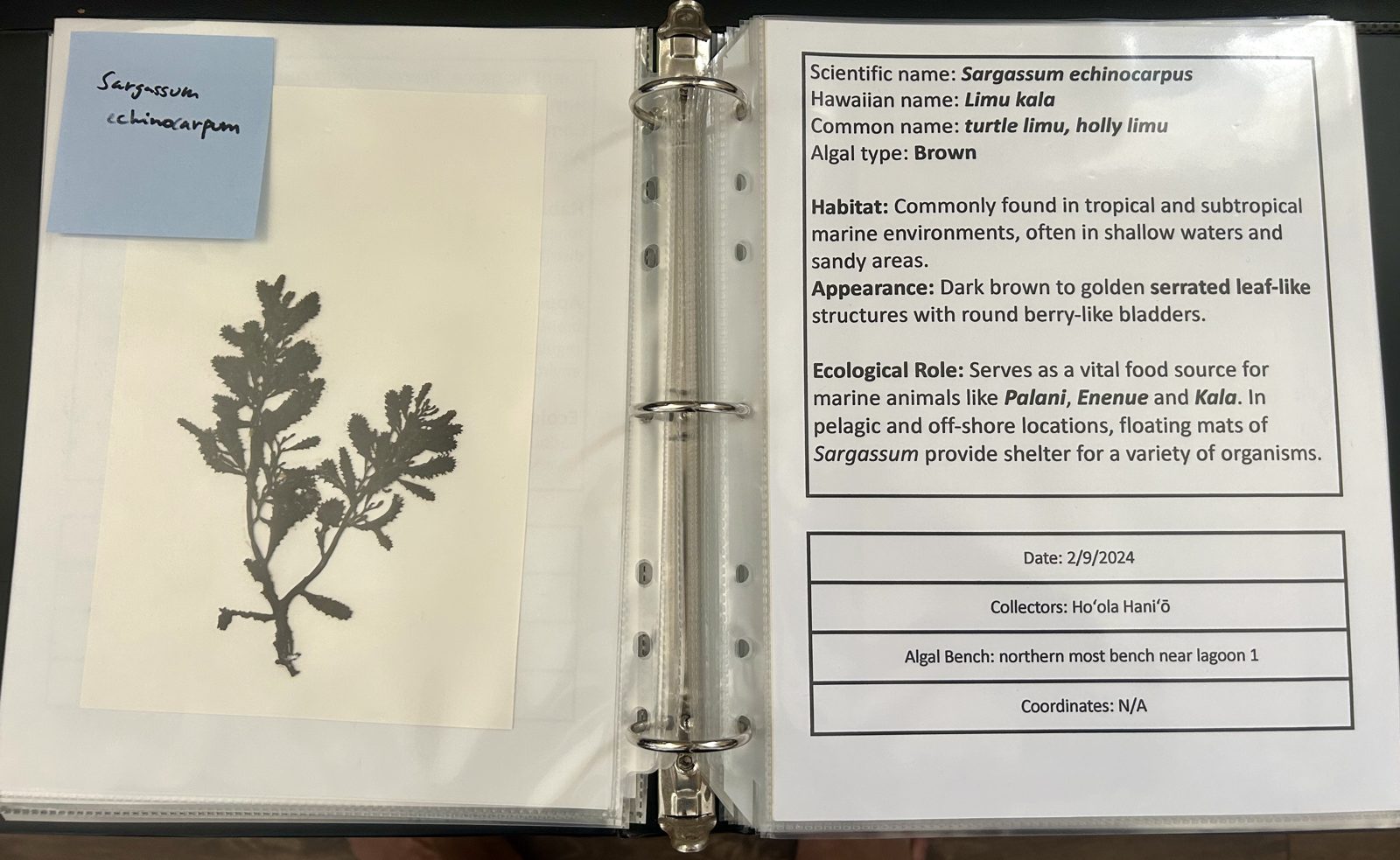
  • Sargassum sp.
    (Limu Kala)
    87.0%
  • Dictyota sp.4.1%
  • Padina sp.3.0%
  • T. ornata1.9%
  • C. minima1.5%
  • A. breviarticulatum1.5%
  • Colpomenia sp.1.0%

Red algae

27.5%
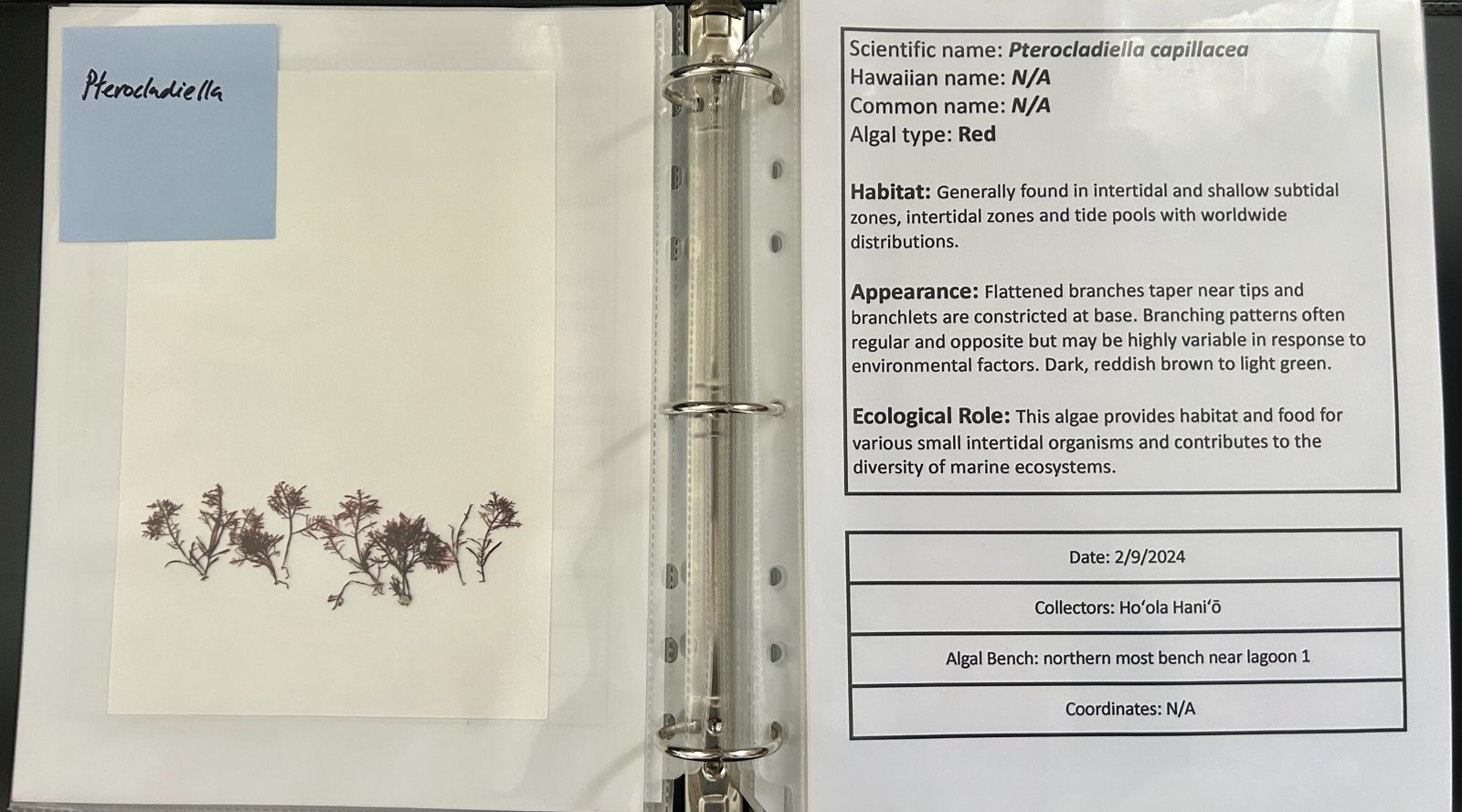
  • P. capillacea
    (Limu Loloa)
    43.1%
  • A. spicifera20.2%
  • Laurencia sp.17.2%
  • H. carribica6.2%
  • C. irregularis4.3%
  • C. clavulatum3.8%
  • Gymnogongrus sp.2.8%
  • A. glomerata2.4%

Green algae

2.8%
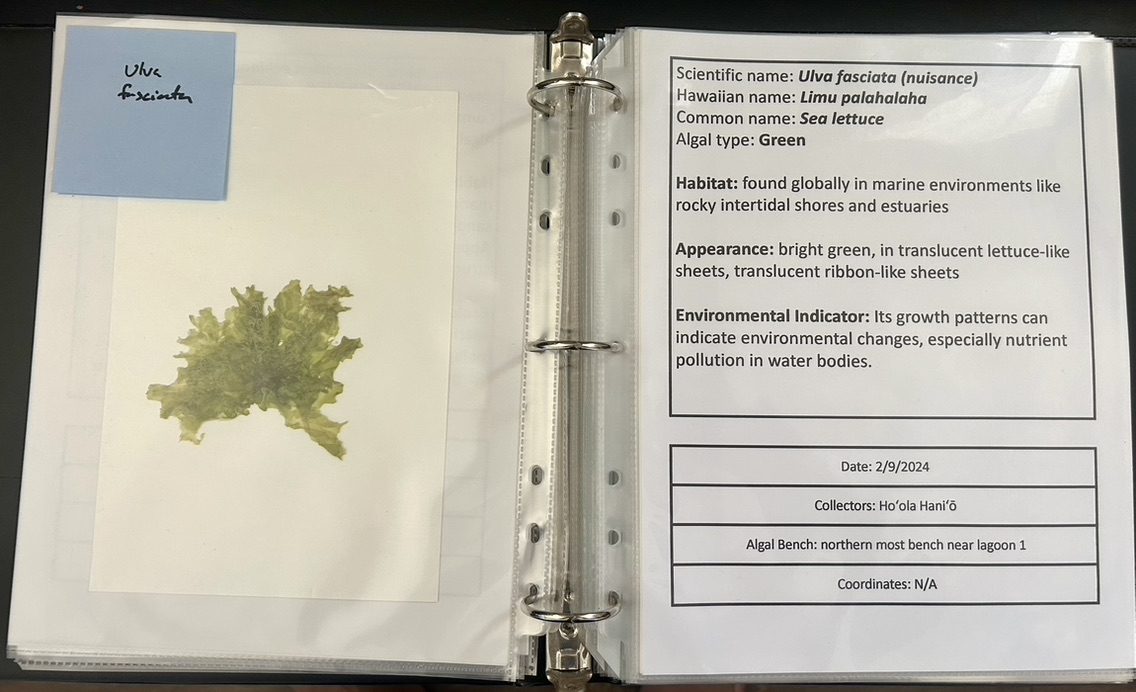
  • U. fasciata
    (Limu Palahalaha)
    40.5%
  • U. flexuosa29.8%
  • D. cavernosa24.4%
  • C. antennina5.4%
Share of all limu recorded, August 2024 to present. Percentages under each group are that group’s makeup.

Pie chart explanation

  • This chart shows the different types of limu we’ve found during our surveys of the two algal benches since August 2024. So far, we’ve recorded 5,905 limu observations across 13 bench surveys.
  • Most of the limu we’ve recorded has been brown algae (70%), followed by red algae (27%), with green algae making up about 3%.
  • The brown algae are mostly Sargassum, while much of the red algae is Pterocladiella capillacea. What’s interesting is that although brown algae still make up most of what we’re seeing, we’ve been finding more red algae in our recent surveys.
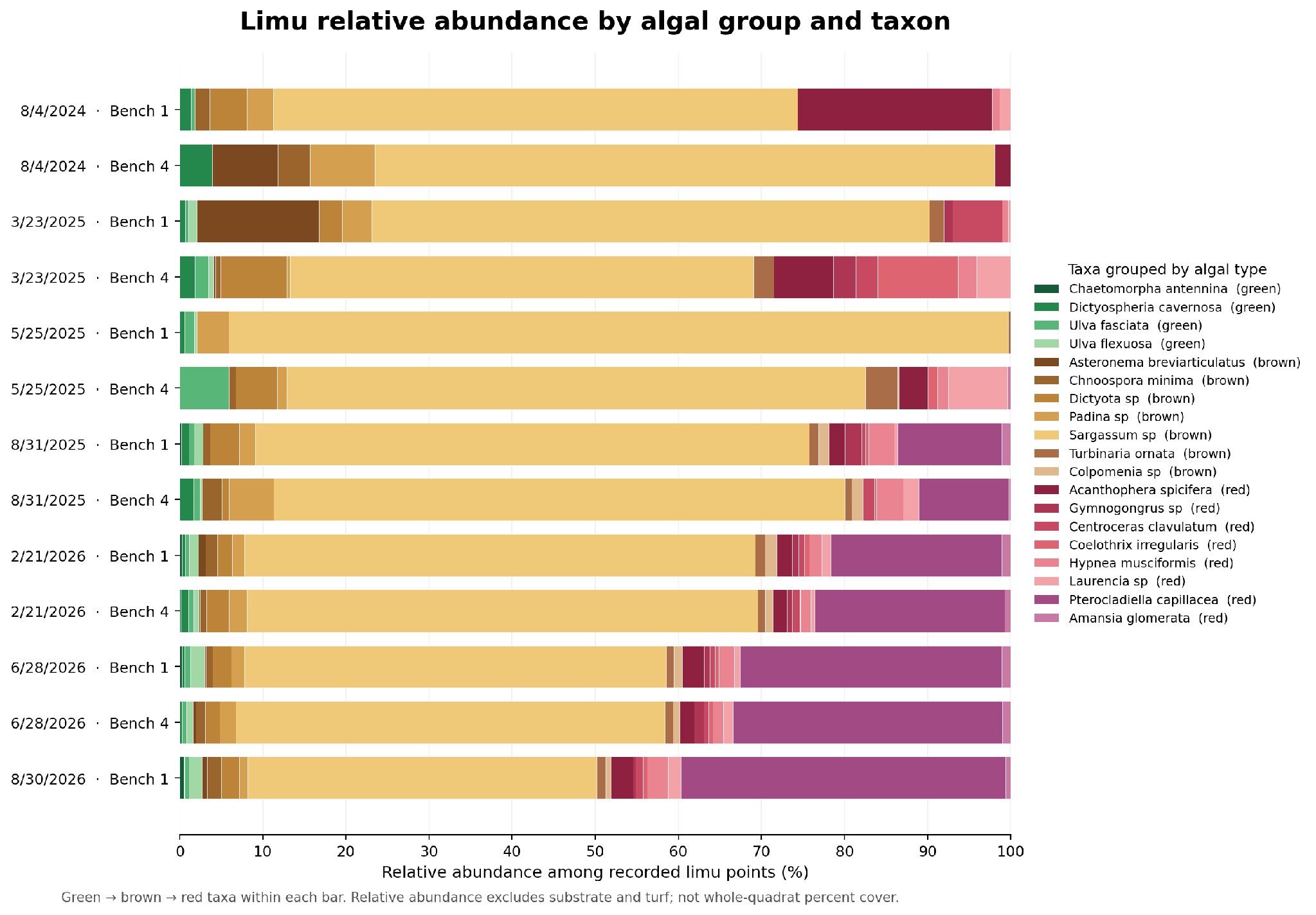
Bar chartStacked bar chart: limu relative abundance by algal group and taxon for Bench 1 and Bench 4 on each survey day from August 2024 to August 2026, showing red algae, especially Pterocladiella capillacea, increasing over time
Tap the chart to see it full size.

Bar chart explanation

  • This chart shows how the different types of limu we’ve been finding on Bench 1 and Bench 4 have changed since we started monitoring in August 2024.
  • Each bar represents one bench on a survey day, and the different colors show the types of limu we recorded as a proportion of the whole bench on that day. These bars don’t represent total counts.
    • Brown shades represent brown algae, red and pink shades represent red algae, and green shades represent green algae. The longer each colored section is, the greater its share of the limu we observed during that survey.
  • One of the biggest changes we’ve noticed is the increase in red algae, particularly Pterocladiella capillacea.
    • When we first started surveying, brown algae, especially Sargassum, made up most of what we were finding. While Sargassum is still a major part of the limu community, red algae have become much more prominent in our recent surveys.
  • We’re seeing similar changes on both benches, although the amounts of each limu differ between them. Green algae continue to make up a relatively small portion of what we’re finding.
  • By continuing these surveys, we can see how the limu communities change over time and begin to understand whether these changes are seasonal or part of a longer-term trend and are able to track changes in algal community in the time of the super El Niño.
Limu classroom

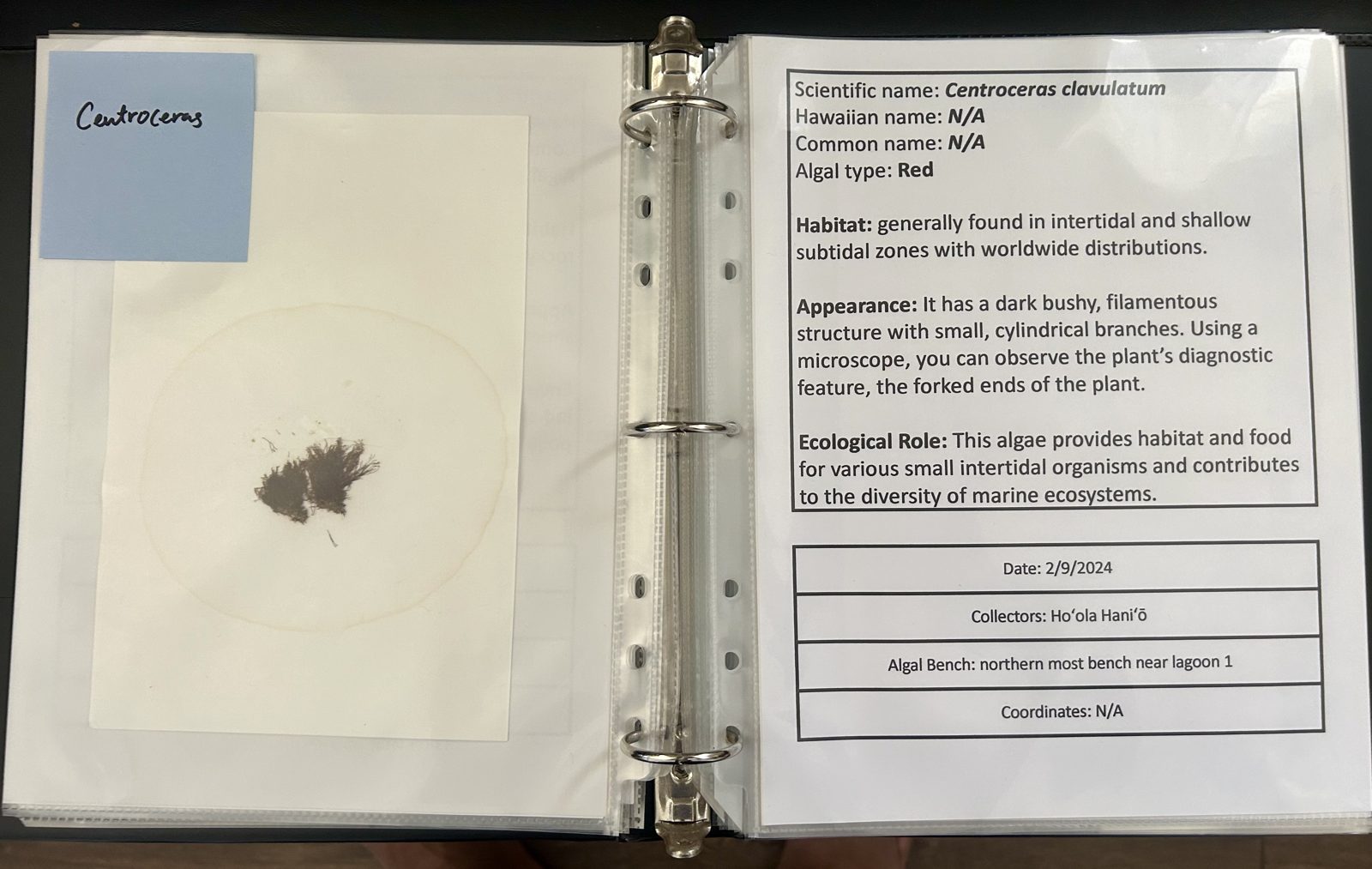
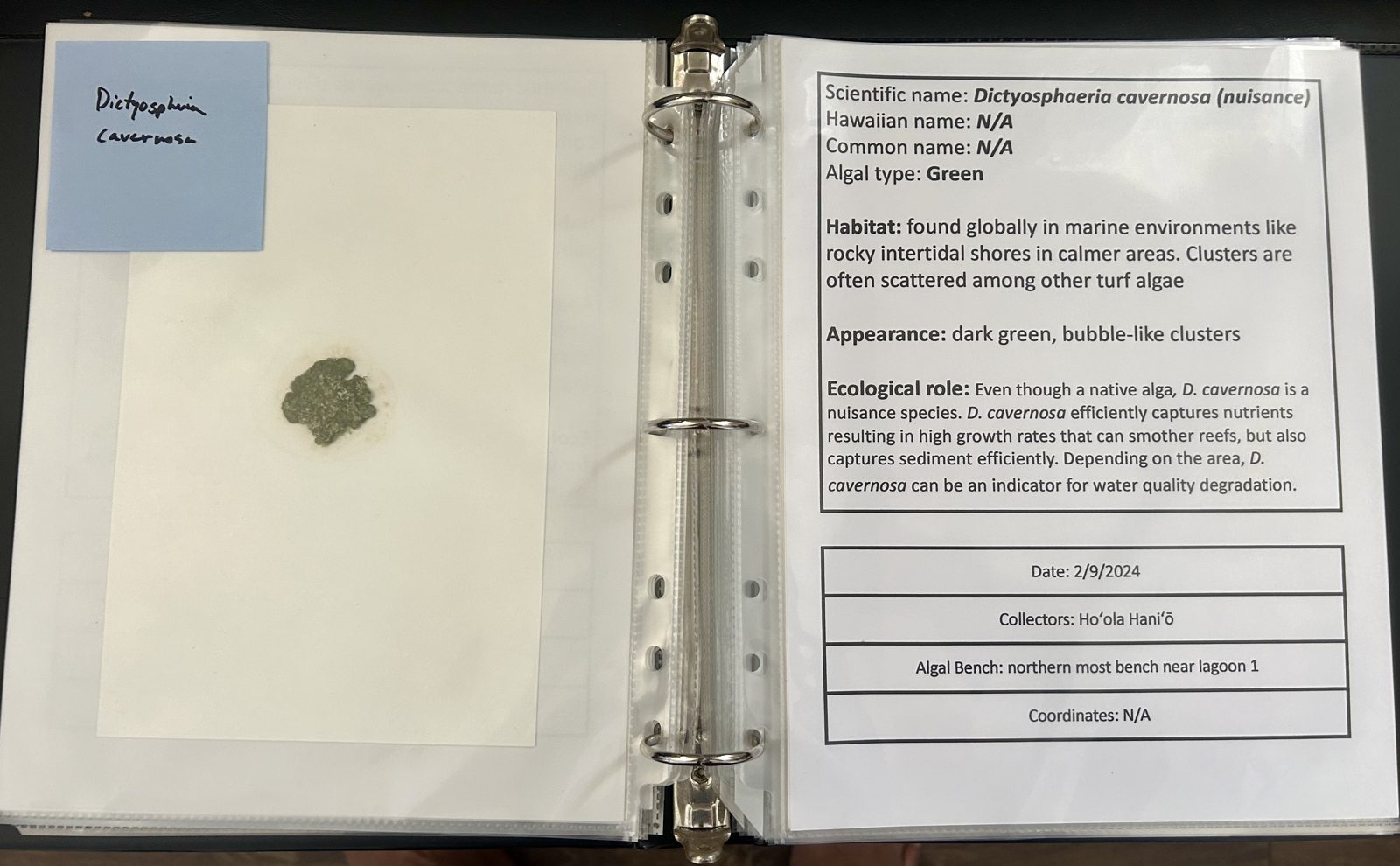
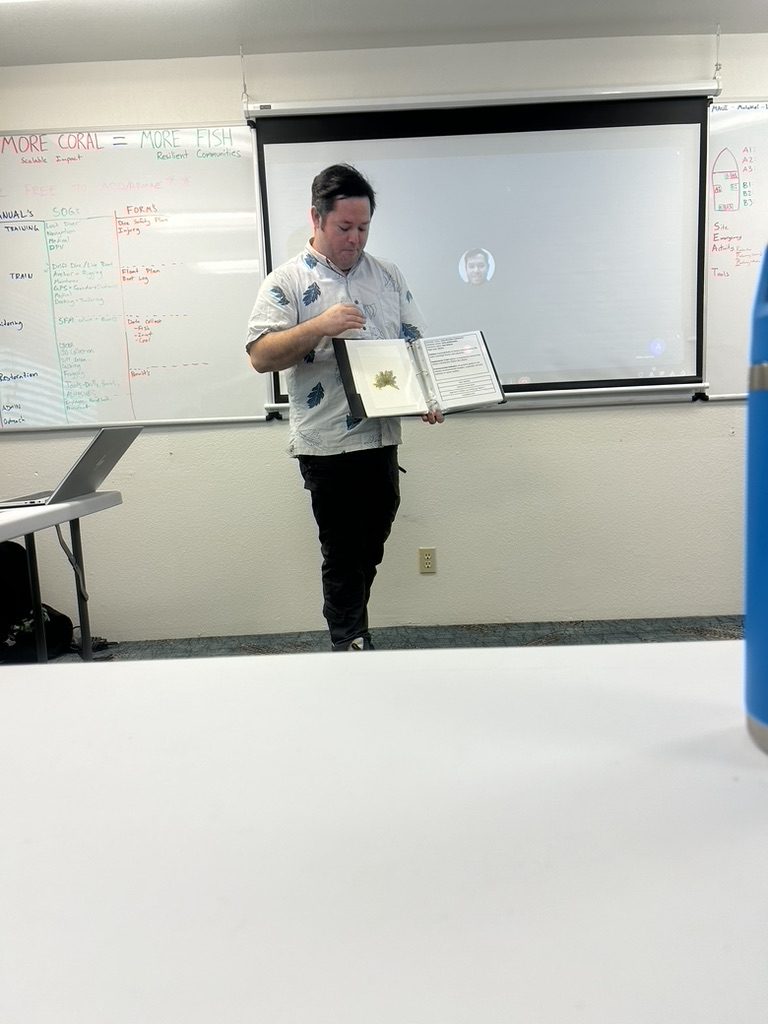
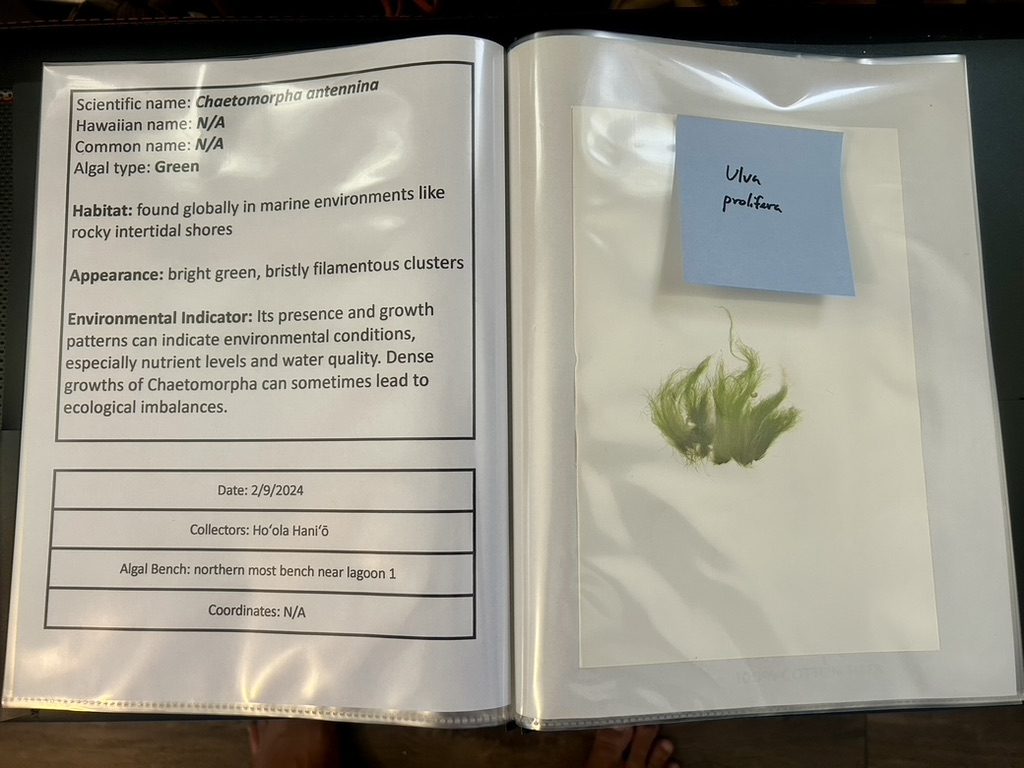
Learning Limu

Create Hoʻōla Hāniʻo Limu Reference Book

See all photos →
Videos

Short clips from the field at each site.

See all videos →
Learning limu with Kuleana Coral RestorationFebruary 9, 2024

Hāniʻo Makaiwa

Hāniʻo Coastline North of Harbor
Clip 1
Clip 2
Clip 3

Hāniʻo Malakole

Hāniʻo Coastline South of Harbor
Clip 1
Clip 2
Clip 3
Get involved

Join a limu survey

No experience needed. We’ll teach you to identify limu and record what you find.
More of our work

Keep exploring

All projects →